Canopy Study Co.Get the Study Guide
For working arborists and tree care professionals preparing for the ISA Certified Arborist exam

Turn dense arborist theory into clear visual study pages

This illustrated PDF guide organizes the exam’s toughest-to-memorize topics into plain-English explanations, diagrams, checklists, and field-style comparisons. Review tree biology, soils, pruning, diagnosis, safety, planting, and worksite concepts in a format built for short study sessions after a long day outside.

Get the Study Guide

Secure checkout, PDF delivered by email, and a 7-day guarantee.

Built around hard-to-remember topics

Focus on the concepts that often blur together: soil texture, compartmentalization, pruning cuts, pest clues, decay, risk factors, and jobsite safety language.

Visual pages instead of endless blocks

Illustrations, labeled diagrams, flowcharts, side-by-side comparisons, and quick review boxes help you study when your brain is already tired.

Independent exam prep support

This guide is independent and is not affiliated with, sponsored by, or endorsed by ISA. It does not reproduce real exam questions.
See the style before you study

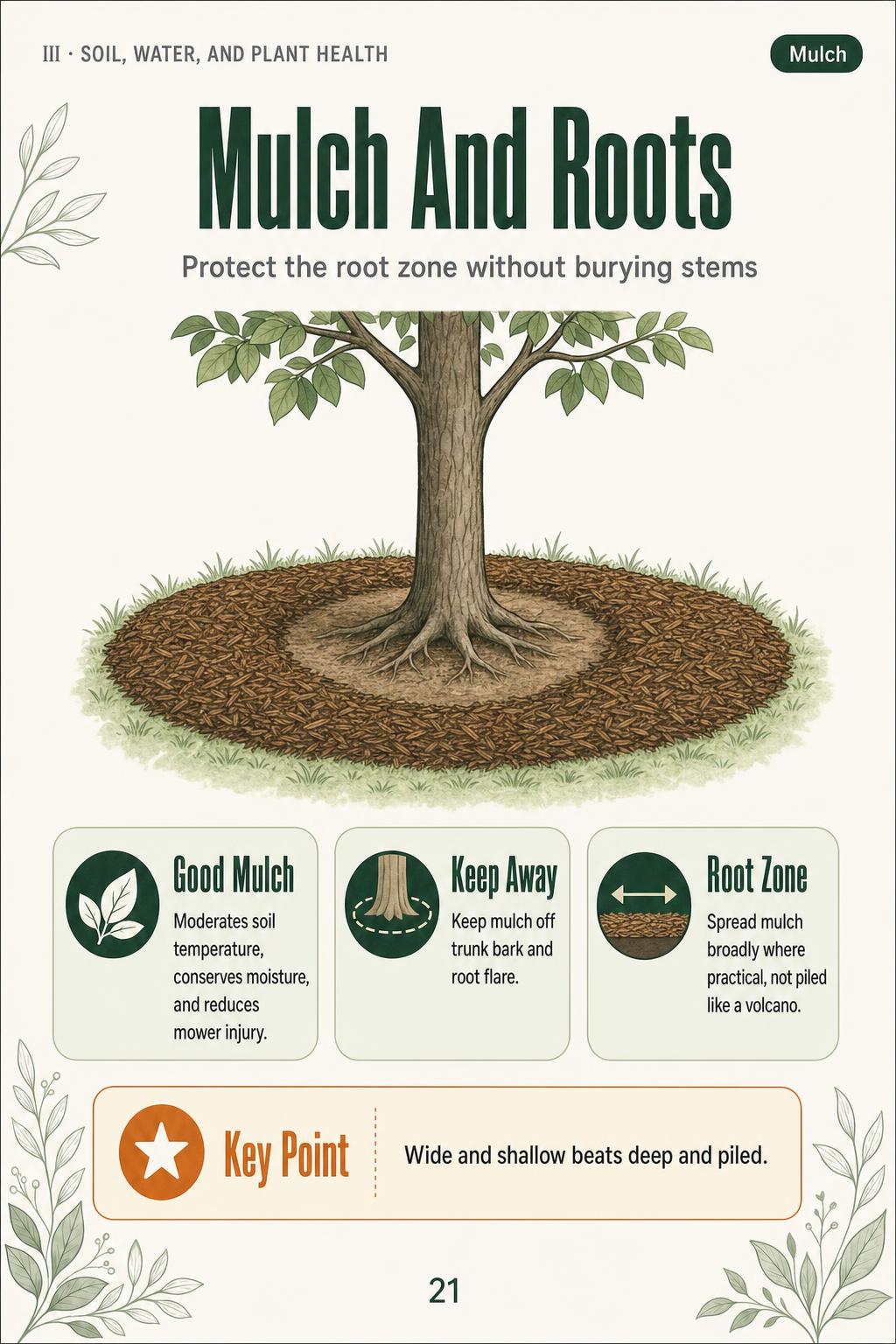
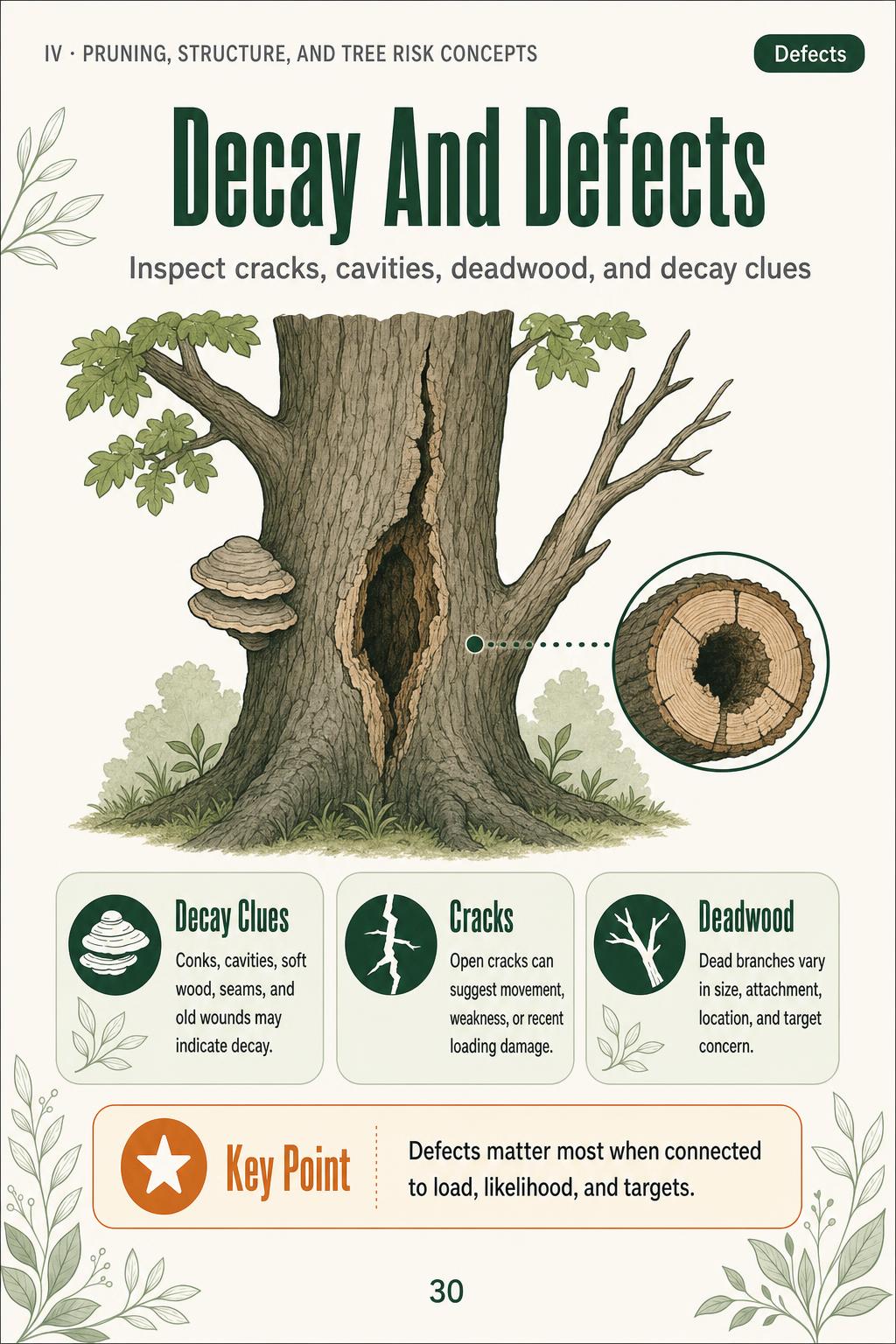
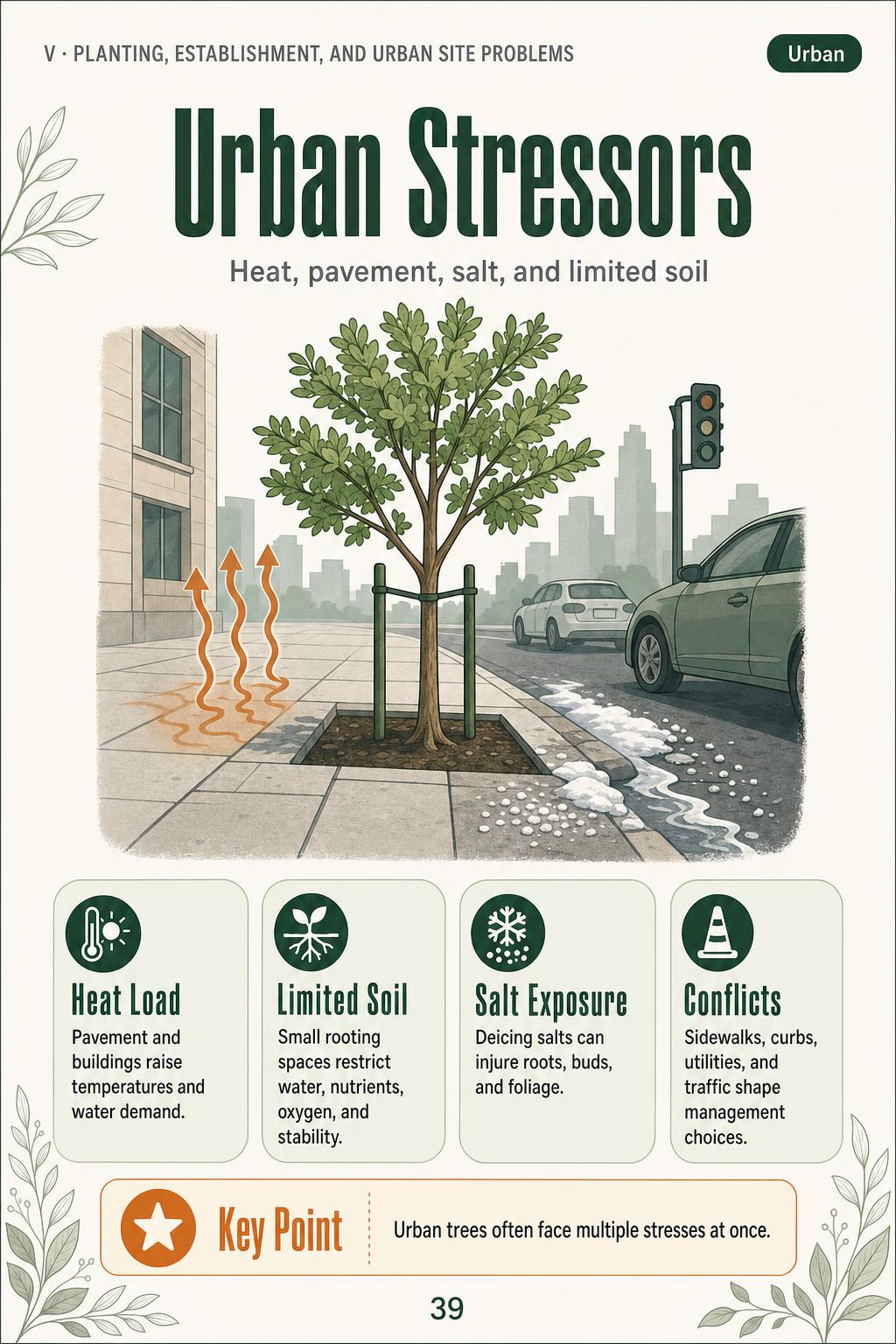
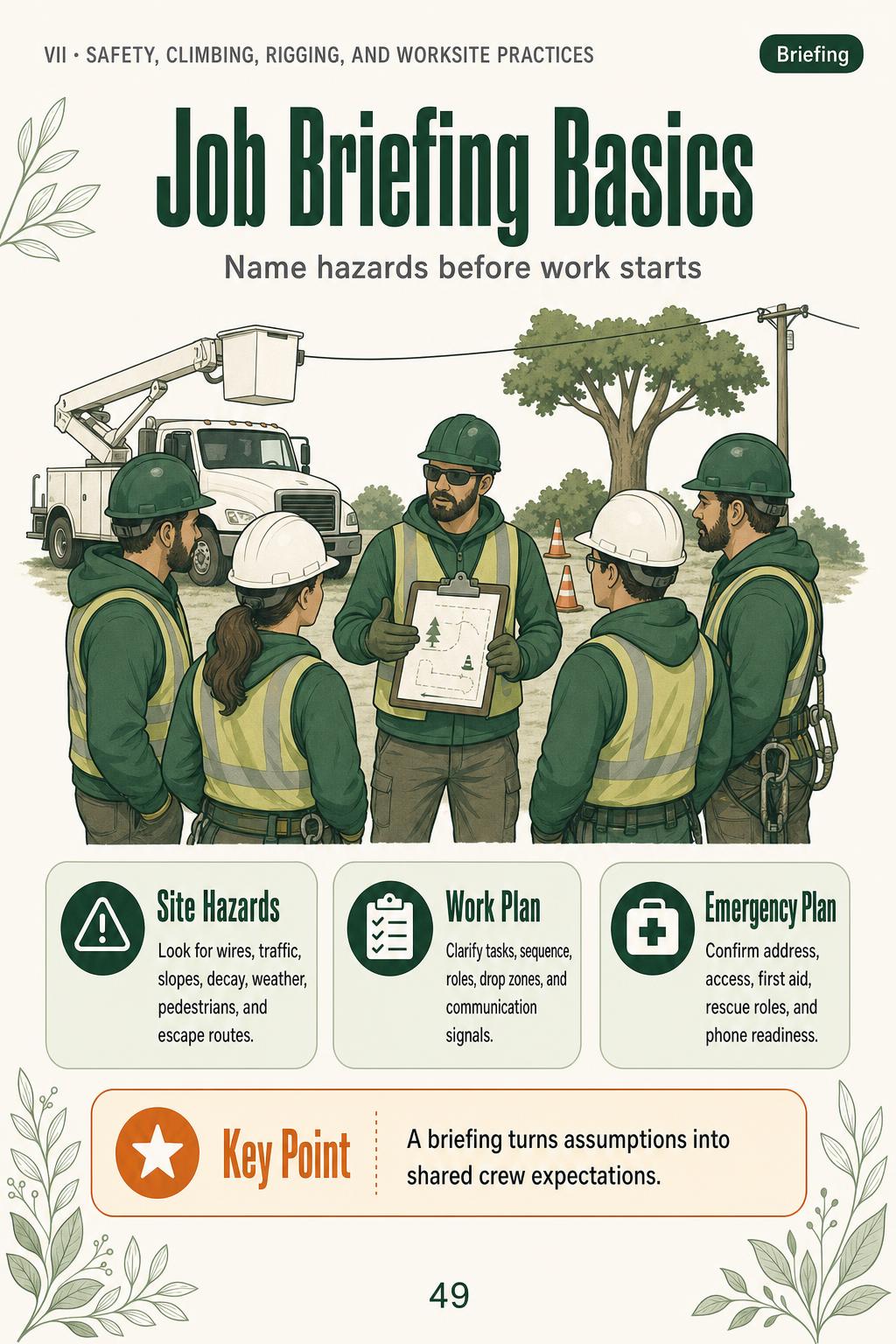
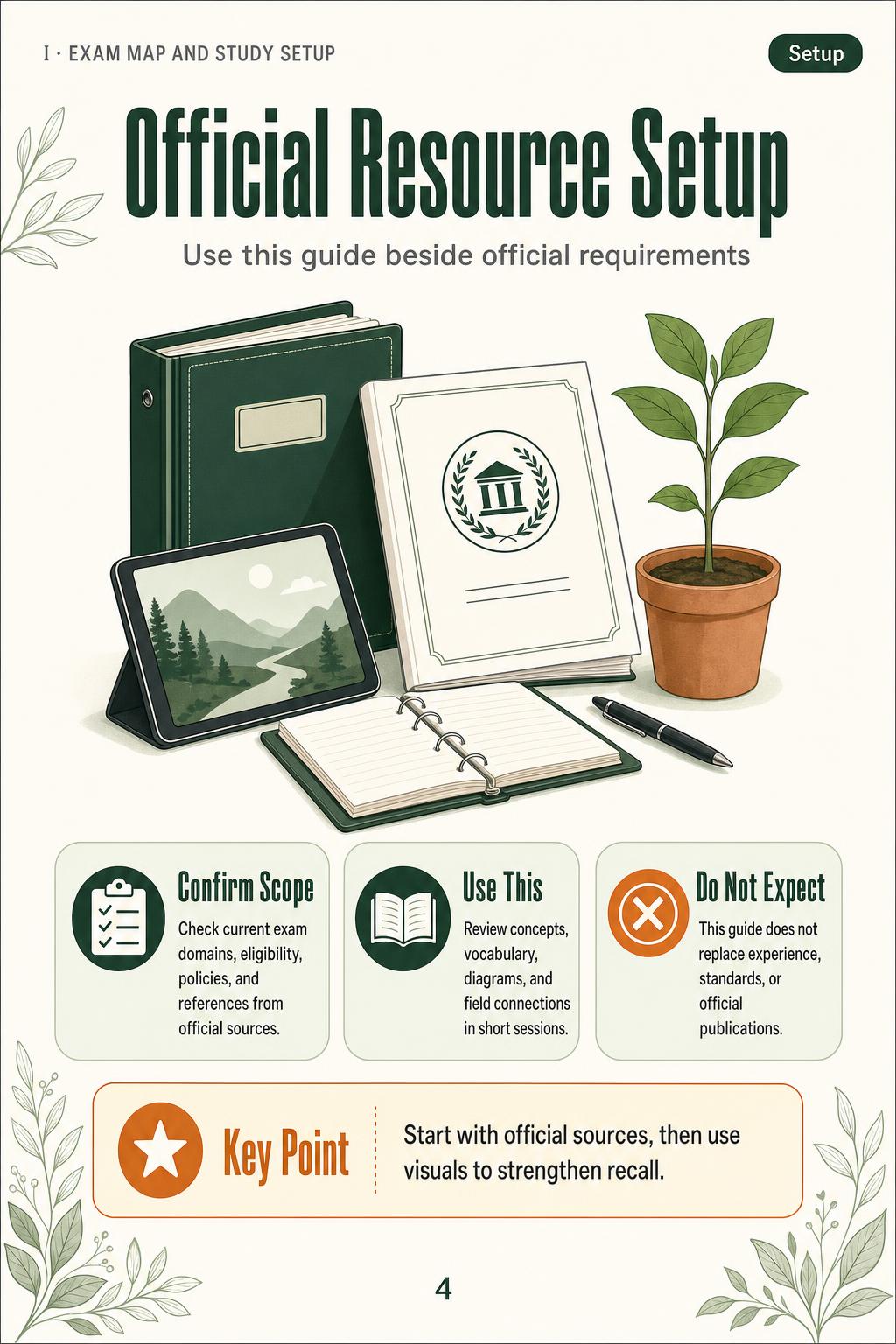
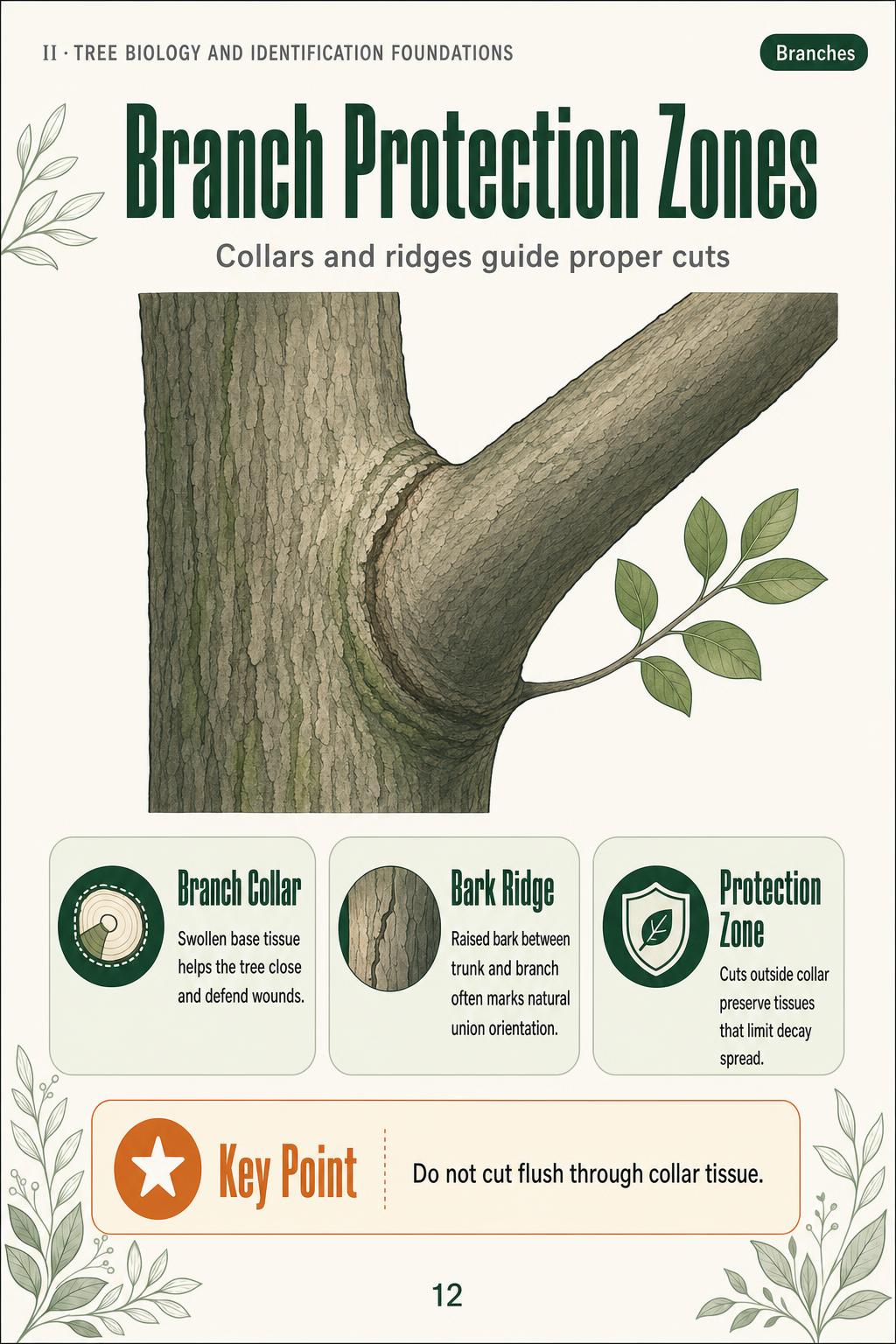
The sample pages show the same page format used throughout the guide: clean diagrams, practical callouts, simple definitions, and recap boxes designed for fast review.

Official Resource SetupBranch Protection ZonesMulch And RootsDecay And DefectsUrban StressorsJob Briefing Basics

Sample pages are for preview only and are not real exam questions.

You know the work, but the exam still feels crowded

You get home after a day of pruning, removals, cleanup, chipper noise, customer questions, and driving between sites. You want to study, but you only have a small pocket of energy left.

You open a thick reference or start searching online, and the topic is technically correct but heavy. Soil chemistry turns into paragraphs. Tree biology turns into vocabulary. Pruning standards turn into details that feel almost the same until they are not.

You have real field experience, but the exam asks you to connect that experience to formal terms, definitions, processes, and best-practice language. The hard part is not caring about trees. The hard part is sorting a huge body of knowledge into something you can actually recall.

One night you review pests. The next night you review pruning. By the weekend, soil texture, vascular tissue, decay patterns, and cabling terminology are all competing for space in your head.

That is not your fault. Most study material was not built for tired working arborists trying to absorb theory in short, realistic study sessions.

A clearer alternative to dense study notes

Typical study experience

  • Long explanations that bury the main point before you can remember it.
  • Important terms scattered across different chapters, websites, and notes.
  • Hard concepts shown mostly as text, even when a diagram would make them easier.

Compartmentalization of decay in trees refers to the process by which living woody plants respond to injury and infection by forming chemical and physical boundaries that resist the spread of microorganisms. These boundaries vary in effectiveness depending on species, wound location, season, vigor, and existing defects, and they should be evaluated alongside structural condition, site exposure, and the likelihood of target impact when considering risk.

Inside this guide

  • Each topic starts with the plain-English point you need to understand.
  • Diagrams and comparison boxes show what is different, not just what is defined.
  • Quick review prompts help you check whether the concept is actually sticking.

A complete visual roadmap for your review

The guide is organized by study part, so you can move from foundations to field decisions without jumping between random notes. Use it front to back, or open the part that matches the topic you are reviewing that week.

IExam Map and Study Setup

  • How to use the guide with official exam resources
  • Major knowledge areas at a glance
  • Study block planning for workday evenings
  • How to mark weak topics for repeat review
  • What this guide does and does not do

IITree Biology and Identification Foundations

  • Tree anatomy from roots to canopy
  • Xylem, phloem, cambium, and annual rings
  • Branch collars, branch bark ridges, and protection zones
  • Photosynthesis, respiration, and energy storage
  • Basic leaf, bud, bark, and growth habit clues
  • Compartmentalization and wound response

IIISoil, Water, and Plant Health

  • Soil texture, structure, and pore space
  • Compaction and its effect on roots
  • Drainage, irrigation, drought stress, and overwatering
  • Soil pH and nutrient availability
  • Mulch placement and root zone protection
  • Fertilization concepts and common cautions
  • Root damage, grade changes, and construction impact

IVPruning, Structure, and Tree Risk Concepts

  • Pruning objectives and timing considerations
  • Reduction, thinning, raising, cleaning, and restoration concepts
  • Proper cuts near the branch collar
  • Codominant stems and included bark
  • Clearance, utility, and visibility pruning concepts
  • Decay indicators, cracks, cavities, and deadwood
  • Basic risk assessment language and target awareness

VPlanting, Establishment, and Urban Site Problems

  • Species selection and site matching
  • Root flare, planting depth, and planting hole shape
  • Container roots, circling roots, and root correction concepts
  • Staking, guying, and removal considerations
  • Establishment watering and aftercare basics
  • Urban heat, limited soil volume, deicing salts, and pavement conflicts

VIDiagnosis, Pests, and Disorders

  • Symptoms versus signs
  • Abiotic stress versus living pests and pathogens
  • Leaf, stem, bark, root, and whole-tree clues
  • Insect feeding patterns and damage types
  • Fungal decay, cankers, leaf spots, and root disease concepts
  • Invasive pest awareness and reporting mindset
  • Integrated pest management review flow

VIISafety, Climbing, Rigging, and Worksite Practices

  • Job briefings and hazard identification
  • Personal protective equipment by task
  • Electrical hazard awareness and minimum approach mindset
  • Chainsaw, chipper, and traffic control concepts
  • Climbing system terms and tie-in concepts
  • Rigging forces, load path thinking, and communication
  • Emergency planning and incident response basics

VIIIMemory Tools and Final Review

  • One-page topic recap system
  • Visual comparison pages for commonly confused concepts
  • Term-to-field-observation matching prompts
  • Blank review maps for active recall
  • Final week study rhythm
  • What to review with official resources before exam day

Picture your next study night feeling organized

You come home tired, shower, eat, and sit down with one focused section instead of a stack of scattered resources.

Tonight is soil and water. The page shows texture, compaction, drainage, root oxygen, and symptoms in one connected picture, so the pieces start to fit.

Tomorrow you open pruning. Instead of rereading a long paragraph, you compare cut types, branch protection zones, clearance goals, young tree structure, and common mistakes on visual pages.

By the end of the week, you are not guessing what to review next. You have a simple map of the major topics and a way to revisit weak areas without starting over.

The exam still requires study, but your study time feels less scattered and more usable.

Get the Study Guide

What you get inside the guide

I

Exam Map and Study Setup

This part explains how to use the guide as a structured review tool without pretending to replace official exam requirements. After it, you can plan shorter study blocks and track weak topics without getting lost in random notes.

II

Tree Biology and Identification Foundations

This part covers the internal and external tree structures that show up across many arboriculture topics. After it, you can connect field observations to terms like cambium, xylem, phloem, branch collar, bark, buds, roots, and crown architecture.

III

Soil, Water, and Plant Health

This part turns soil and water concepts into practical visuals that connect directly to tree performance. After it, you can recognize how texture, compaction, drainage, pH, organic matter, and root conditions influence tree health.

IV

Pruning, Structure, and Tree Risk Concepts

This part explains pruning goals, structural defects, and risk vocabulary with field-style diagrams. After it, you can review why different cuts are used, how young tree structure is developed, and how defects relate to inspection notes.

V

Planting, Establishment, and Urban Site Problems

This part covers the site and planting details that can make or break long-term tree performance. After it, you can review planting depth, root flare, staking, establishment watering, and common urban stress factors with clearer mental pictures.

VI

Diagnosis, Pests, and Disorders

This part helps you separate symptoms, signs, likely causes, and next-step thinking without memorizing every organism name in isolation. After it, you can approach diagnosis more systematically and review common pest and disorder categories.

VII

Safety, Climbing, Rigging, and Worksite Practices

This part reviews core worksite safety concepts in a visual, practical format. After it, you can refresh the language around personal protective equipment, job briefings, electrical hazards, equipment awareness, climbing systems, and basic rigging forces.

VIII

Memory Tools and Final Review

This part gives you quick ways to revisit the material without rereading everything. After it, you can use checklists, visual prompts, and self-check pages to review weak areas and keep topics fresh.

The guide ends with a calm final review plan and reminders for checking official ISA resources before exam day.

Plus, included free

Pocket Review Checklist
A quick visual checklist for organizing study sessions, work breaks, reference materials, and final review habits without overplanning.
Free with your purchase · 4 pages
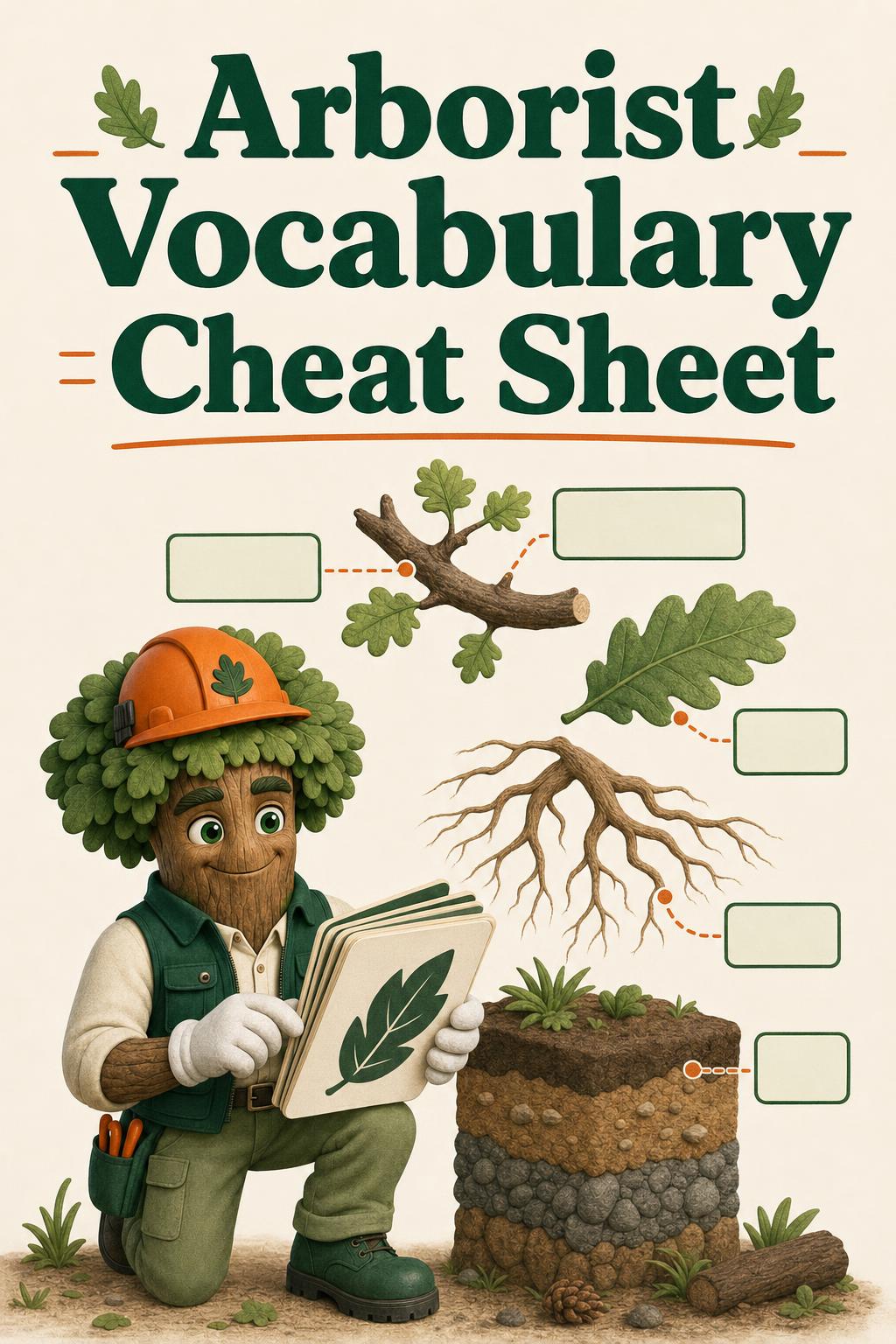
Arborist Vocabulary Cheat Sheet
A compact glossary-style refresher for common exam terms, field language, and concept cues to review between shifts.
Free with your purchase · 5 pages
Workweek Study Planner
A practical short-plan worksheet for fitting focused review, recall practice, and rest into a busy work schedule.
Free with your purchase · 6 pages
Get the guide and the bonuses

Who this guide is for

A good fit if you

  • Work in tree care and want a more visual way to review formal arboriculture topics.
  • Are preparing for the ISA Certified Arborist exam while balancing a full work schedule.
  • Need help organizing soil, pruning, biology, diagnosis, safety, and planting concepts.
  • Prefer diagrams, plain-English summaries, and checklists over long study notes.

Not a good fit if you

  • Want real exam questions, answer keys, or anything copied from the actual exam.
  • Need an official ISA publication or a guide endorsed by ISA.
  • Expect a shortcut that replaces studying, experience, or official eligibility requirements.

Included with your order

Visual Arborist Exam Study Guide

  • The illustrated PDF study guide
  • A structured table of contents for topic-by-topic review
  • Printable review pages and checklists inside the PDF
  • Email delivery within a few hours of purchase
  • A 7-day full refund guarantee

Simple one-time access

US$ 37.90
Get the Study Guide

Your guide arrives by email within a few hours of the purchase, so please use an email address you can access easily.

7-Day Full Refund Guarantee

You have 7 days to open the PDF and see whether the format is right for your study style. If it is not a fit, contact support within 7 days and you will receive a full refund.

Questions before you order

What format is the guide?

It is a PDF guide with illustrated pages, diagrams, checklists, and review prompts. It is designed for reading on a screen or printing selected pages.

When will I receive it?

The guide is delivered by email within a few hours of purchase. Check your inbox and spam or promotions folders if you do not see it.

Can I use it on my phone or tablet?

Yes. Because it is a PDF, you can open it on most phones, tablets, laptops, and desktop computers with a standard PDF reader.

Is this for beginners or experienced tree workers?

It is best for people who already have some tree care exposure and want a clearer way to review exam topics. It explains concepts plainly, but it is not a substitute for hands-on training or official requirements.

Can I print it?

Yes. You can print pages for personal study. Many people may prefer printing only the checklists, recap pages, or topics they want to mark up.

Does it include real ISA exam questions?

No. The guide does not reproduce real exam questions and does not claim to predict what will appear on the exam. It is built for concept review and study organization.

Is this guide affiliated with ISA?

No. This is an independent study guide and is not affiliated with, sponsored by, or endorsed by ISA. You should still use official ISA resources for current exam policies and requirements.

How does the refund work?

The purchase is covered by a 7-day full refund guarantee. If the guide is not the right fit, contact support within 7 days and your payment will be refunded.

Make your study time easier to use

If you are already doing the work in the field, this guide gives you a calmer way to organize the theory, revisit weak spots, and study in focused sessions that fit real life.

Get the Study Guide

Secure checkout, PDF delivered by email, and a 7-day guarantee.